Informal adjustments are similar to an adult pre-trial diversion program and are frequently recommended when the juvenile has little or no history of delinquent behavior with the Court. The intake probation officer must have probable cause to believe the juvenile is delinquent. The juvenile's parent, guardian or custodian, the juvenile, and juvenile's defense attorney must agree to the informal adjustment program. If the juvenile successfully completes the program, the case is closed.

Informal adjustments can be used for both status and delinquency offenses. Juveniles charged with delinquent acts may be detained by court order pending an adjudicatory and/or disposition hearing. A youth may be placed in a detention center at different points throughout the juvenile case. At times, an adjudicated juvenile may be held in detention during a period of their commitment.

"Secure detention" involves holding the child at a locked detention facility. "Shelter homes," sometimes referred to as "non-secure detention," are also a level of detention where the child may only leave the premises for school or other pre-approved appointments. "Home detention," where the child may only leave home for school or appointments, is an option in some jurisdictions.

What Happens At A Detention Hearing In jurisdictions where there is no juvenile detention facility, children may be detained pre-trial in adult facilities. Once a waiver motion is filed, Indiana law requires a "full investigation and hearing" into the request for transfer of jurisdiction into adult criminal court. If a juvenile is detained at the Allen County Juvenile Center, then the waiver hearing must be scheduled within twenty days of the filing of the petition to adjudge delinquency. If a juvenile is not detained, then the waiver hearing must be scheduled within sixty days of the filing of the petition to adjudge delinquency. A juvenile who is on a conditional release, including anklet supervision, is not considered detained for the purpose of this time limit.

The time limit for scheduling the waiver hearing does not include weekends and holidays. The time limit may be extended at the request of the juvenile or the juvenile's defense attorney. Generally, juvenile hearings and records are confidential except in certain circumstances. But, once a petition to adjudge delinquency is filed against a juvenile, some hearings can be open to the public.
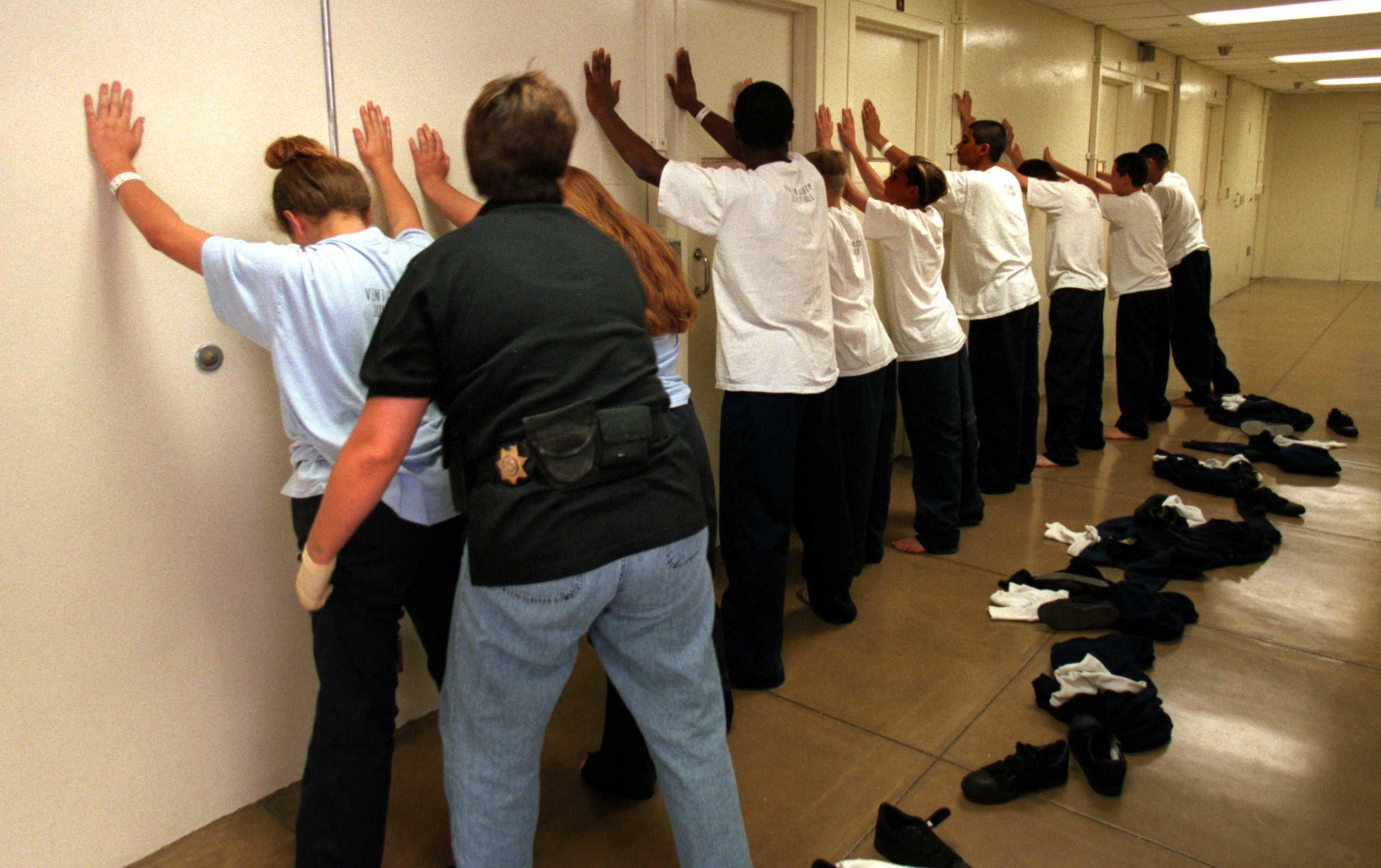
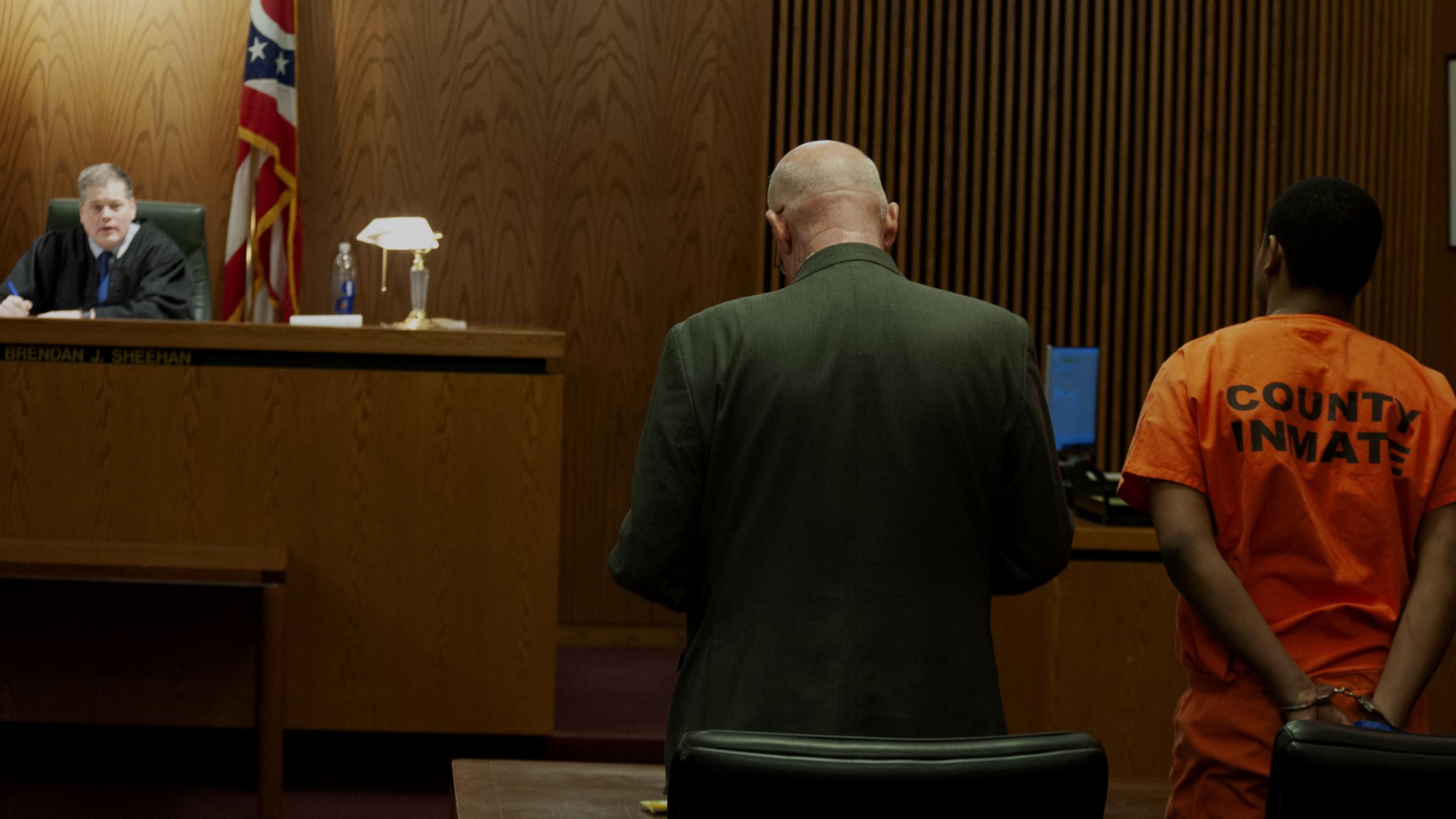
If a juvenile is charged with serious offenses, such as murder or a felony, the hearing must be open to the public. In some cases, the judge can keep the public out of the hearing if asked to do so by the juvenile, the juvenile's parent, the prosecutor or the probation officer, or if certain types of motions are being argued in front of the judge. Because the purpose of the juvenile court is to establish appropriate treatment plans to address a juvenile's delinquent behavior, the law aims to protect juveniles' privacy and to balance the needs of the community. In all States, a detention hearing must be held within a time period defined by statute, generally within 24 hours. At the detention hearing a judge reviews the case and determines if continued detention is warranted.

As a result of the detention hearing the youth may be released or detention continued. In 2019 juveniles were detained in about 1 in 4 (26%) delinquency cases processed by the juvenile courts. Detention may extend beyond the adjudicatory and dispositional hearings.

In some cases crowded juvenile facilities require that detention continue beyond adjudication until a bed becomes available in a juvenile correctional institution or treatment facility. Unlike in an adult court, when a respondent appears in juvenile court, he must be accompanied by a parent or guardian. The court will appoint a guardian ad litem to protect the juvenile's interests if a parent or guardian does not attend the hearing. As in any criminal court in Texas, if the allegations are contested, the judge or a jury will decide whether the individual committed the alleged criminal offense. However, in juvenile court, the terms "guilty" and "not guilty" are not used.
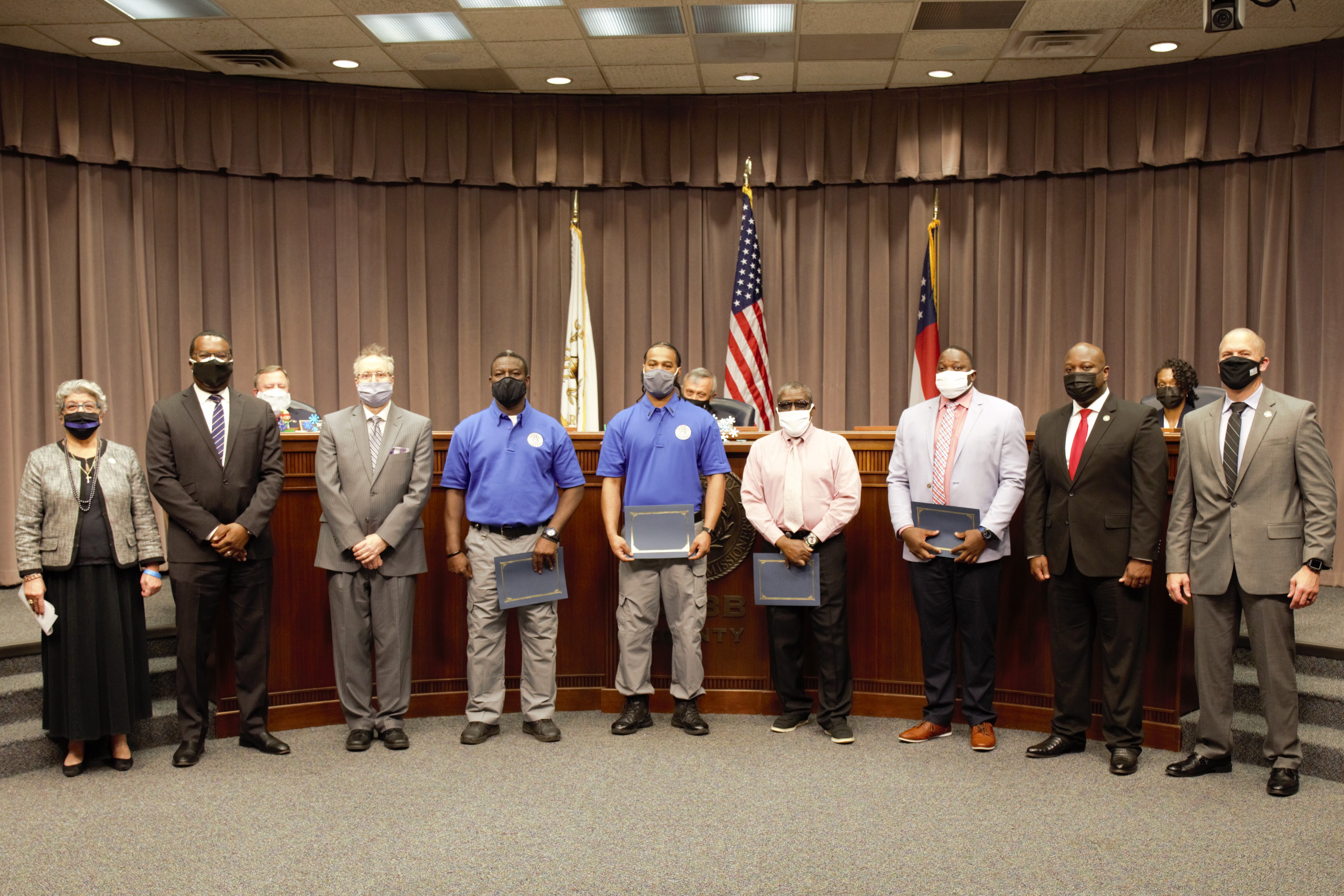
If the judge or jury determines that the respondent is guilty of the offense, the finding will be that he has "engaged in delinquent conduct" and is in need of rehabilitation. There are several differences regarding the arrest of a juvenile compared to the arrest of an adult. A law enforcement officer may take a juvenile into custody if there is probable cause to believe that the juvenile violated a criminal law, engaged in delinquent conduct or conduct indicating a need for supervision, or violated a court-ordered condition of probation. Family Code §51.03 defines delinquent conduct as conduct other than a traffic offense that violates a state or federal penal law punishable by imprisonment or jail time. Upon receipt of a petition alleging that the minor has committed a crime, the court will file the petition, assign the case to a delinquency courtroom, and notice the related parties. If the minor is detained within Juvenile Hall, the initial court appearance will be called a "detention hearing." At the detention hearing an attorney will be appointed for the minor, and the court will evaluate the District Attorney's evidence in the case.

The court will determine whether or not the detention of the minor is necessary to protect the minor, victims, and/or community. Unlike adult criminal court, there is no opportunity for a minor to request and post bail in juvenile court. Sometimes, children are sent to juvenile court for behavior that is not criminal. Status offenses or Family with Service Needs cases involve behavior like truancy ("skipping school,") running away and being beyond the control of your parents. Your school, your parents, DCF or the Police can file a Family with Service Needs petition to the court and ask that the court work to make you change your behavior. If a Family with Service Needs petition is filed, you and your family will be asked to come to the juvenile court and meet with a probation officer.

The officer could refer you for counseling or other services in your community. He or she could also send you to a Family Support Center where you could get help with your issues all in one place. If you do not cooperate with the services, you could be brought to the juvenile court to see a judge. If you do not follow the orders, you could eventually be committed to the Department of Children and Families and sent to a residential treatment program. Most children do well in the community-based services and very few cases ever get to court. In other types of cases, the prosecutor can ask the judge to hold a hearing to decide whether a minor should be prosecuted as an adult.
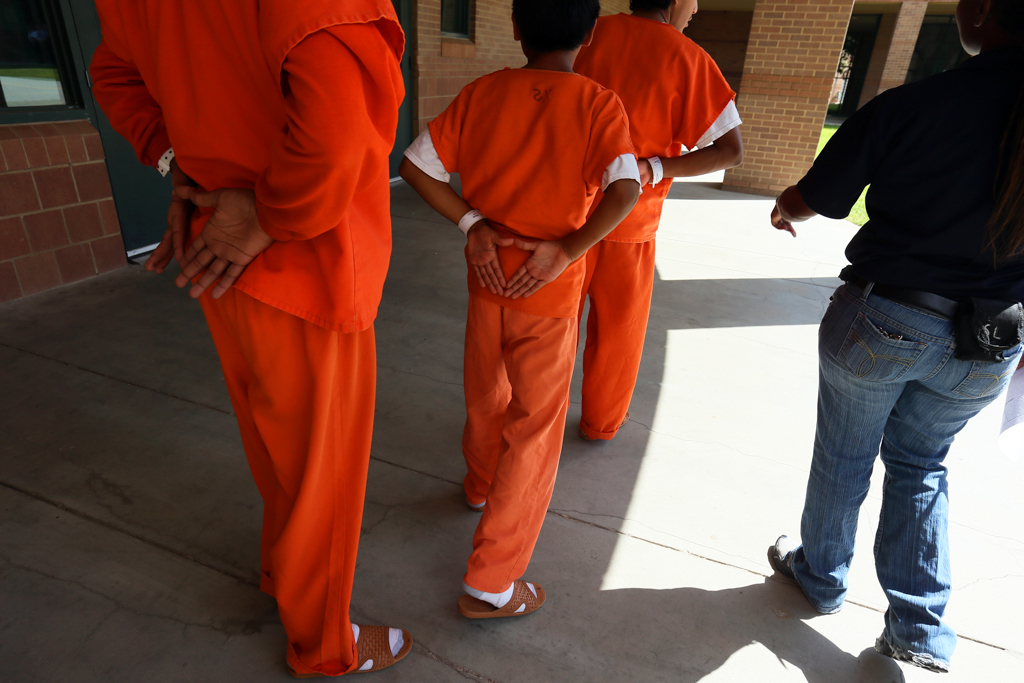
These laws can be complicated, but in Cook County, the State usually asks for transfer in cases where 13 or 14 year old minors are prosecuted for first degree murder, or cases where minors age 15 and 16 are charged with shooting at someone. During the hearing, the judge may listen to the testimony of teachers, clergy, family members, and the recommendation of probation officers in deciding whether to keep a minor at Juvenile Court or transfer his or her case to adult criminal court. For example, one minor charged with aggravated battery with a firearm was transferred to adult court and sentenced at age 16 to 50 years in prison. Had he remained at juvenile Court he could not have been imprisoned beyond his 21st birthday.

Before deciding whether to detain the minor, the judge will ask for other parties' input, including the probation officer, the district attorney, the minor, the minor's parents, or the minor's counsel. An experienced attorney will seize every opportunity to convince the judge that the minor is not a danger to themselves or the community. An attorney will work to disregard any proof that indicates that the minor requires the detention. If the judge feels that the minor does not fit in the category that requires custody, they may release the minor. The juvenile detention hearing is the initial stage in a juvenile court system.

If the juvenile detention hearing's outcome is good, the other hearings might have a positive outcome. The criminal defense lawyer may visit the county detention hall and meet with the child. The lawyer will then represent them at the detention hearing held in the juvenile court within 48 hours of the initial detention.

The criminal defense attorney will explain to the juvenile court why the juvenile should be released back to his/her parents with the pending case. In most cases, the judge dismisses the child back to their parents. In a few cases, the judge will order the minors to remain in custody.
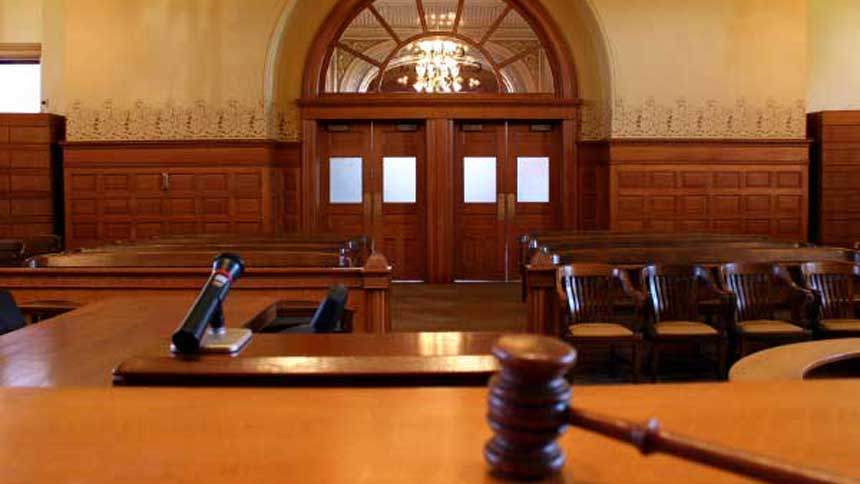
Juvenile courts may hold delinquents in a secure detention facility if the court believes it is in the best interest of the community or the child. After arrest a youth is often brought to the local juvenile detention facility by law enforcement. Juvenile probation officers or detention workers review the case and decide if the juvenile should be held pending a hearing by a judge. When someone under the age of 17 is arrested, the process differs greatly from the adult criminal court process. Adults may be booked, held in jail, charged with a crime, and bond out of jail.

Adults may be given the option of an attorney or go through the process of plea bargaining and trial very quickly. They may be arrested and released to their parents unless charges involve serious or violent crimes, in which case they may be transported to a juvenile facility. Juveniles may then enter the juvenile court process, which involves many hearings prior to trial. For all other felonies, C.G.S. §46b-127 gives the juvenile prosecutor discretion to transfer cases after an ex parte finding of probable cause to maintain the charges. This means the juvenile prosecutor can decide if he or she wants to try to transfer a case to the adult court once a judge has found that there was a reason to arrest you. Once the case gets to adult court, a child will have a hearing to determine where the case should be heard.

At the hearing a lawyer will argue why the case should stay in juvenile court. The accused child will be held in a juvenile detention facility until a judge decides where the case will be heard. If the judge decides that the case should be handled by the adult criminal court, the child will be moved to the Manson Youth Institution. Home Supervision is a program that allows youth who would otherwise be detained in juvenile hall to remain in their homes, under the supervision of a deputy probation officer, probation aide, community worker, or probation volunteer. The purpose of Home Supervision is to make sure that the young person shows up at court hearings and probation appointments, and to make sure that the young person obeys the conditions of release and commits no public offenses. The law requires that, "whenever possible," the young person must be assigned to a deputy probation officer, probation aide, community worker, or volunteer who resides in the "same community" as the minor.

Probation aides and community workers may be compensated for their Home Supervision services, but do not qualify for peace officer status. For instance, police officers arrest James for committing robbery using a firearm. During the detention hearing, the probation officers recommend him to remain in custody. Additionally, the probation officers rely on police reports mentioning James as having three previous police arrests within a period not exceeding 30 days.

Therefore, the probation officer and the juvenile judge agree and remand him back to the juvenile county center. James lawyer requests for Dennis h hearing for the police officer writing the report to come and testify the nature of James alleged three arrests. It will bring a difference if the three alleged police arrests never occurred, or the arrests were innocent. If the juvenile's case is not waived into adult court and he or she does not admit the charges in the delinquency petition, the Court must hold a fact-finding hearing. If the juvenile has been detained in the juvenile detention center or placed in a shelter care facility, the fact-finding hearing must be held within twenty days of the filing of the delinquency petition. If the juvenile is not detained, the fact-finding hearing must be held within sixty days after the delinquency petition is filed.

A juvenile who is on house arrest or electronic monitoring is not considered "detained" for purposes of this time limit. This time limit may be extended if the juvenile or his or her attorney requests a continuance. If a juvenile is arrested for a felony offense which is not under the jurisdiction of the juvenile court, the juvenile may be held at the Allen County Juvenile Center for a period of seventy-two hours after a probable cause hearing.
During this seventy-two hour period, the prosecutor will get the preliminary police reports and will make a decision about what type of charge to file. If the prosecutor determines that he or she will file the charge in adult criminal court, the prosecutor will request a warrant to transfer the juvenile to the Allen County Jail. A bond amount will be set by the adult criminal court and the juvenile will have the opportunity to post that bond upon his or her transfer to the Allen County Jail.

The prosecutor may decide to file a less serious charge which is not under the jurisdiction of the adult criminal court. In that case, the juvenile will remain at the Allen County Juvenile Center and a detention review hearing will be held at the conclusion of the seventy-two hour period. The result of this procedure is that youth frequently spend several days in custody without any judicial review of Probation's decision to detain the youth. While state law permits this approach, it is in tension with the Supreme Court's holding, under the Fourth Amendment to the U.S. Constitution, that a judicial officer must make a determination of probable cause on all detentions no later than 48 hours after a warrantless arrest. After the child is placed into custody, he/she may be released to their parents from the juvenile detention hall or detained at the detention hall according to their alleged crimes.

Notably, during the detention hearing, the juvenile judge will review various documents, including the detention petition. Additionally, the petition may request an order for detention for the minors if he/she is an age subject to the juvenile court's jurisdiction. Under Indiana law, there are certain charges that do not fall within the juvenile court's jurisdiction. Most traffic offenses and all county or city ordinance violations charged against a juvenile are directly filed in the Allen Superior Court, Traffic and Misdemeanor Division, which is located at the "Bud" Meeks Justice Center. Other, more serious felony offenses, such as murder, rape and robbery, are in the jurisdiction of the adult criminal court if the juvenile was a certain age at the time the offense was allegedly committed. In these types of cases, no waiver hearing is held in the juvenile court.

If you are detained or arrested on a warrant, you will be evaluated by a screening team which will make recommendations to the juvenile court concerning whether you should be released or admitted to a detention or shelter facility. At that point, you may be released to your parent or detained at the juvenile detention center. Within 48 hours after being detained, you must appear in court for a detention hearing and the Judge will decide whether you are released under a safety plan or will remain detained in the detention center. A lawyer will be present with you to advocate for your expressed interests.
Your next court date will be similar to a juvenile brought to court by summons or notice, except the District Attorney may file formal charges. The program of restitution must promote the rehabilitation of the child, be appropriate to the age and physical, emotional, and mental abilities of the child, and not conflict with the child's schooling. When practicable and subject to court supervision, the court may approve a restitution program based on a settlement between the child and the victim of the offense. Transfer to Criminal Court/Suitability Hearing – The juvenile court judge will decide if the case of a youth who is 16 years or older should be transferred to adult criminal court.

Youth fifteen years of age and younger cannot have their cases transferred to adult court, with the exception of those who committed a serious offense when they were 14 or 15 and were not arrested before juvenile court jurisdiction over the case ended. This hearing only happens for very serious or violent charges and only if the DA asks for the transfer. This is significantly different than a bond hearing that an adult undergoes. There are specific factors the juvenile judges and probation officers consider before releasing the juvenile from a detention center pending trial.

You need an experienced defense lawyer who practices regularly before the juvenile court that can present those relevant factors to the court. We will work closely with you to develop a game plan for the detention hearing and present those specific factors to the court that will convince the judge to release your child. The court gives the juvenile a notice of the date, venue, and time of the juvenile detention hearing.

The minor can have a criminal defense attorney represent them at the hearing. However, if the minor commits a serious crime, the juvenile hearing may be similar to an adult trial open to the public. For instance, drug crimes, gun offenses, violent crimes, and sexual crimes may attract public attention. However, an attorney can negotiate to have the juvenile court proceedings closed to the public to preserve the minor's privacy.
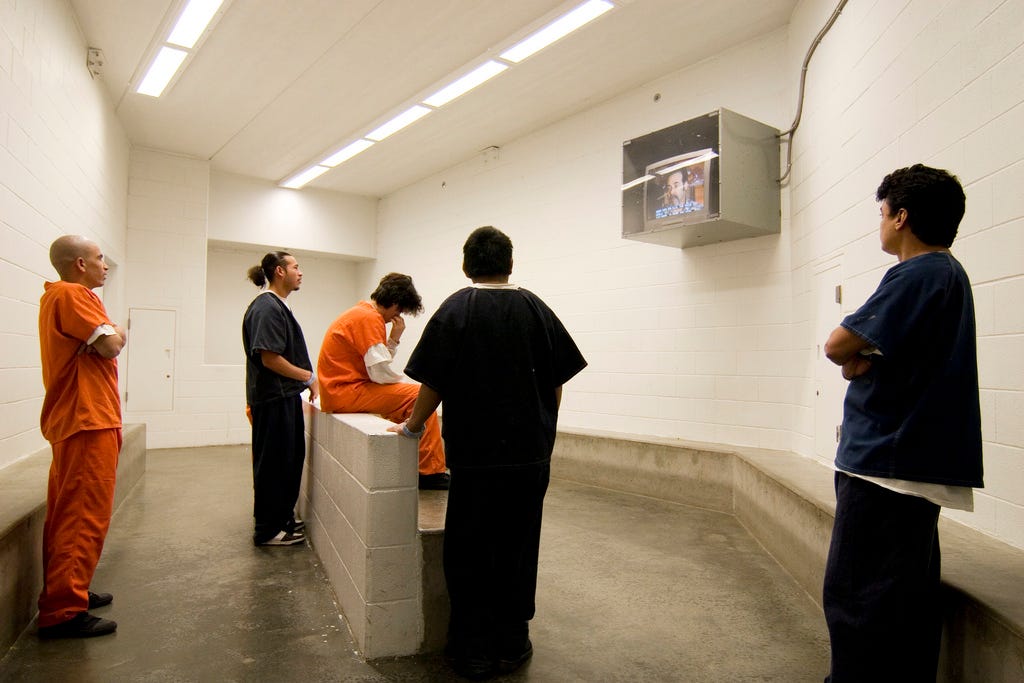
After an arrest, the officer will decide if the juvenile should be released to a parent or taken to a juvenile detention facility. The decision to take the juvenile to a detention facility is less common and based on the seriousness of the charges, criminal history, and whether the accused is thought to be a safety risk to the community. If a juvenile does go to a detention center, a detention hearing will quickly follow to determine if release home is indicated or if the youth should remain in detention. In adult cases, staying in jail while the case proceeds may depend on money.




No comments:
Post a Comment
Note: Only a member of this blog may post a comment.